
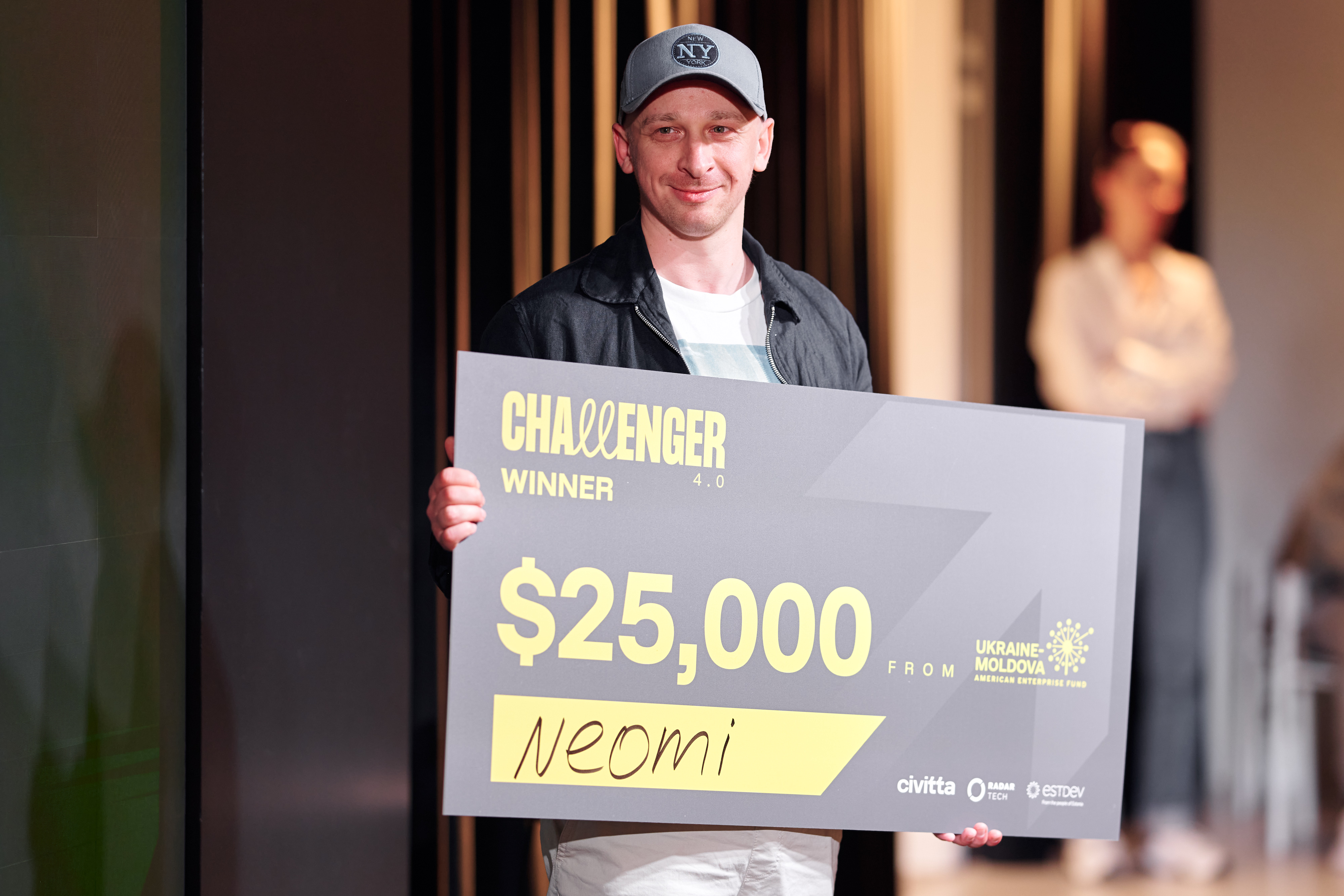
“Definitely apply. You can receive free consultations and test your resilience. There are people in the program who will challenge your ideas, but at the same time they will be very supportive throughout the entire process,” says Thomas Tirs, Counsellor at Estonian Embassy Kyiv, ESTDEV & Cyber Security and one of the general partners of Challenger Accelerator.
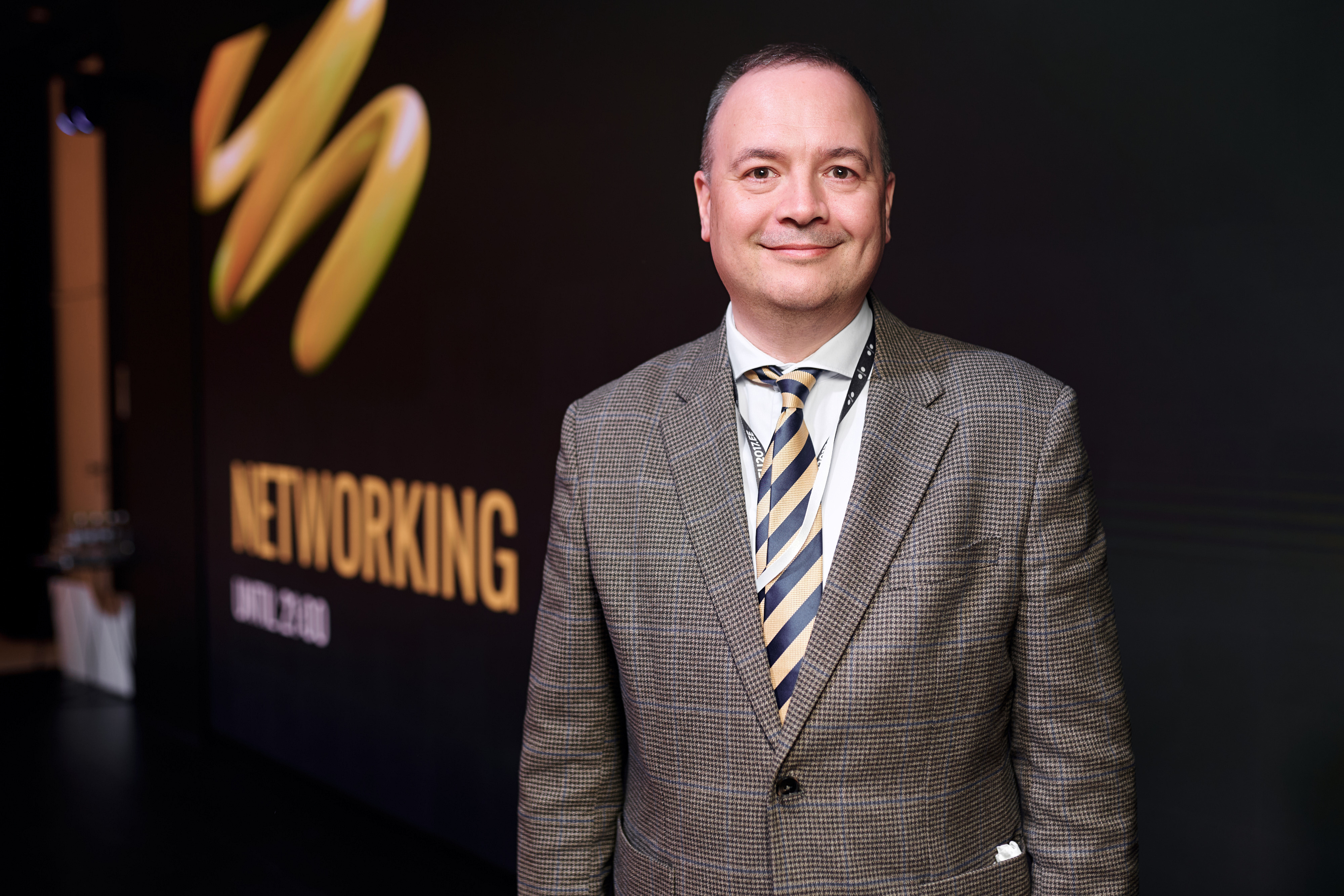
The $25,000 grand prize from UMAEF went to Dmytro Lylyk with the startup Neomi. The project can confidently be called the absolute champion of this year’s cohort, as it won four awards in total.
In addition to the main prize, the team also received $25,000 in AWS credits from USF, a ticket to IT Arena, and support in fundraising from Tinydata.
AIN attended the Challenger Demo Day by Challenger Accelerator and reports on how it all went: why the jury rated Neomi so highly and which other Ukrainian teams stood out?
How the training in Challenger Accelerator was conducted
Challenger Accelerator is an international equity-free accelerator programme for startups. This year marked the fourth cohort in Ukraine.
Over the course of three months, 13 Ukrainian startups worked on their solutions under the individual mentorship of mentors from Ukraine and the EU. The teams attended 18 sessions covering product-market fit, team building and scaling, sales, and technical development. They completed more than 100 hours of mentoring and significantly improved their pitch presentations.
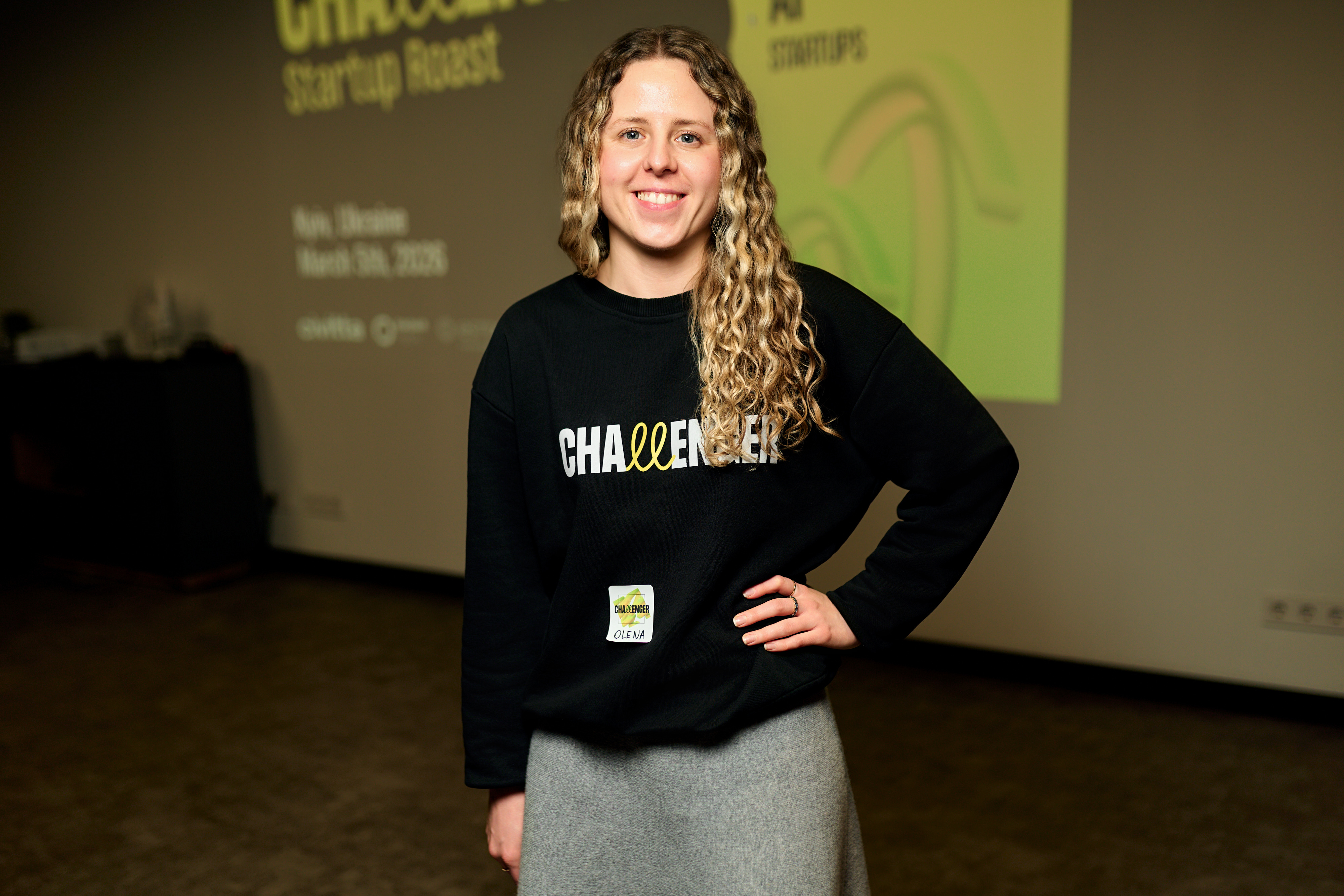
“With each passing year, I see how startups that go through the accelerator become stronger. This shows that our accelerator is evolving and reaching a new level together with the participants. We are constantly adding new elements that give teams a stronger foundation for future growth. For example, this time we introduced one-on-one investor sessions, expanded the prize pool and post-program opportunities, and built connections with new investors,” says Olena Shershun, Program Manager of Challenger Accelerator and Associate Partner at Civitta.
Challenger Accelerator is delivered in a hybrid format and is designed for startups with an MVP that aim to raise investment, improve their product, scale their business, and enter new markets. This year, the programme focused on three key verticals: EdTech, HealthTech, and AI.
“This is my first accelerator programme, and I really liked my mentor. Patrick Collins, founder of Prospect Labs. We chose him because he played football with Cristiano Ronaldo. But it turned out he’s probably one of the best mentors. I wanted to learn how to do business development properly, and Patrick is an excellent mentor,” says programme participant Roman Bozhok from Robocode XR during a break between pitching sessions and the announcement of the winners.
.jpg)
Matching startups with mentors, the organizing team explains, is a very important part of the process.
That’s why Challenger first runs a pre-matching stage in the form of meetings between startups and several mentors. After that, both the startup and the mentor select their preferences. When there is a mutual match, a mentor–mentee pair is formed.
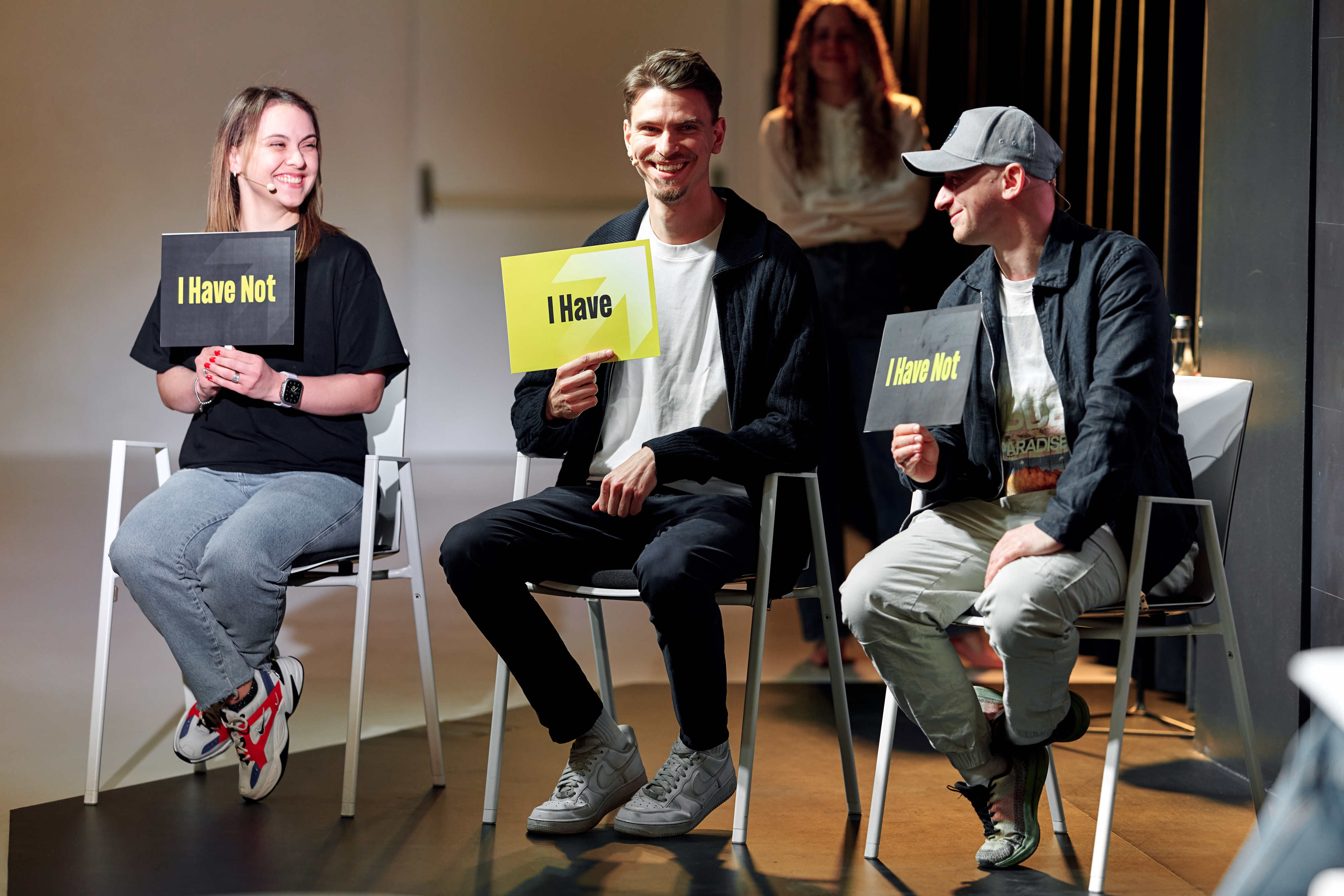
A strong mentor pool is what makes Challenger Accelerator a truly distinctive programme. This is highlighted both by the jury and by every participant I had the chance to speak with during Demo Day - almost everyone repeatedly mentioned their experience working with mentors.
“You’re not knocking on doors yourself - the right doors are being opened for you immediately. There were many sessions with different mentors on a wide range of topics. These are all investors who explain what they pay attention to. After each session, you could schedule a one-on-one mentoring session on any topic you were interested in,” shares Vadym Oshkalo from Seeklab.ai.
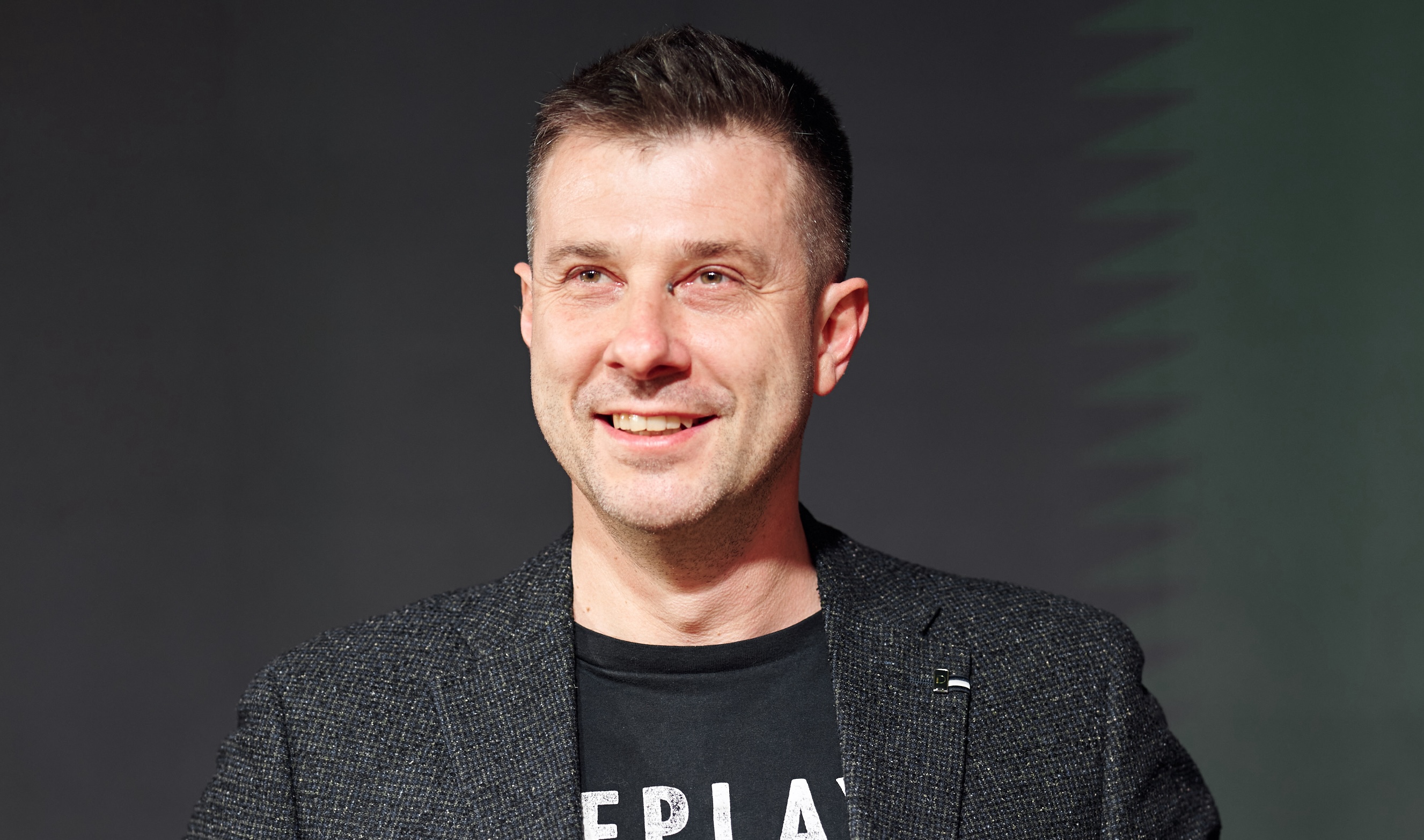
For Vadym, this was only his second pitch ever. He describes the first one as an epic fail. Over the three-month programme, however, he managed to prepare properly and improve his pitching skills. As a result, after the presentation, he seemed, at least in the author’s subjective observation, noticeably happier.
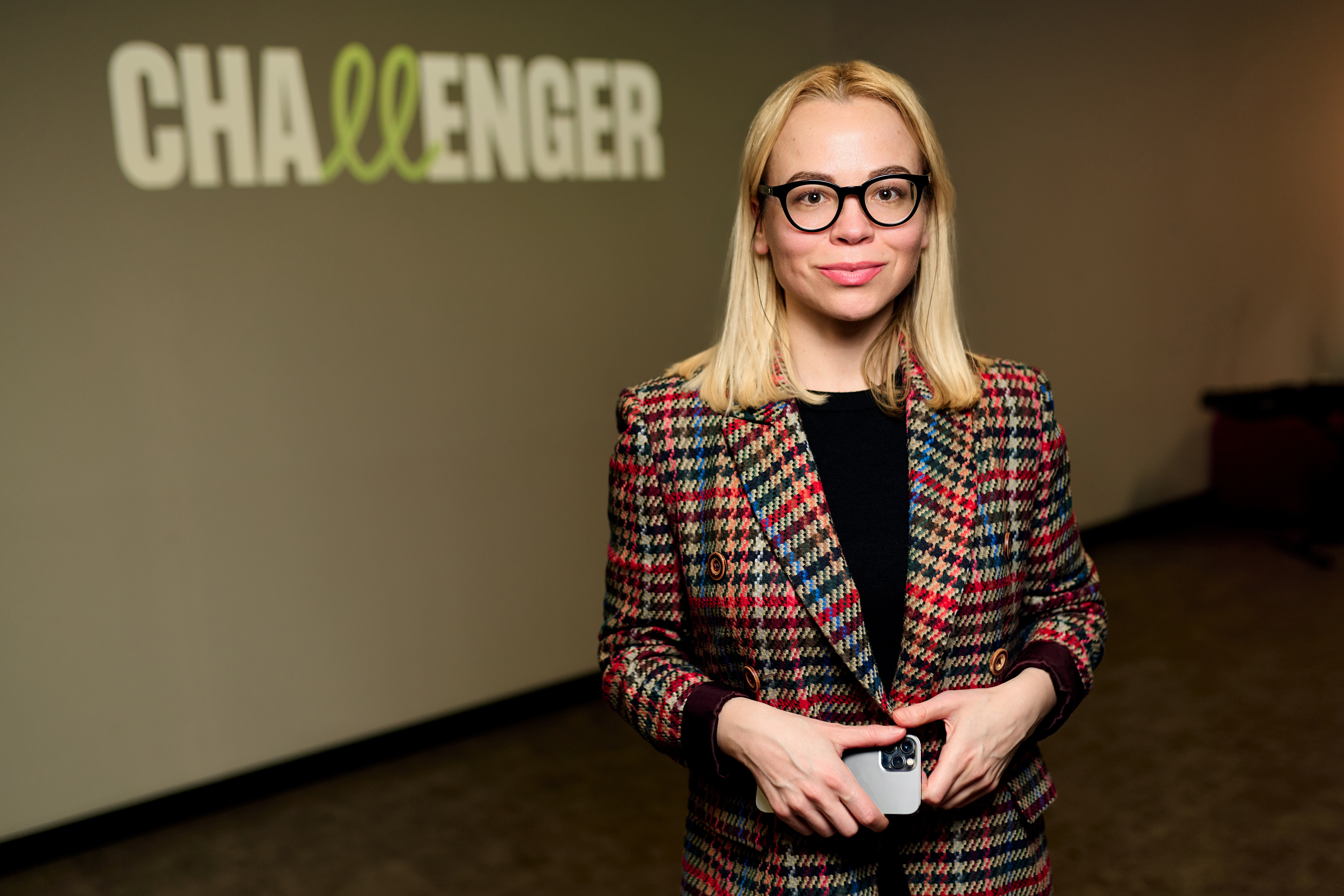
Among the challenges mentioned by another participant, Anna Chorna from Mindship, is the perception that you have plenty of time.
“It feels like 3.5 months is a long period of time, and there’s an illusion that you can achieve everything. But over time, especially towards the end of March and the beginning of April, it became very challenging. I’m proud of our team for managing to reach important milestones. We built an extension to our mobile application and an analytics dashboard. This was the biggest challenge for us, especially considering GDPR compliance,” says the entrepreneur.
Another challenge for startups, of course, remains the conditions and context in which they build their products. They don’t always explicitly mention it, but these conditions make themselves felt regardless. During Roman Bozhok’s pitch, an air-raid alert in the region interrupts the presentation.
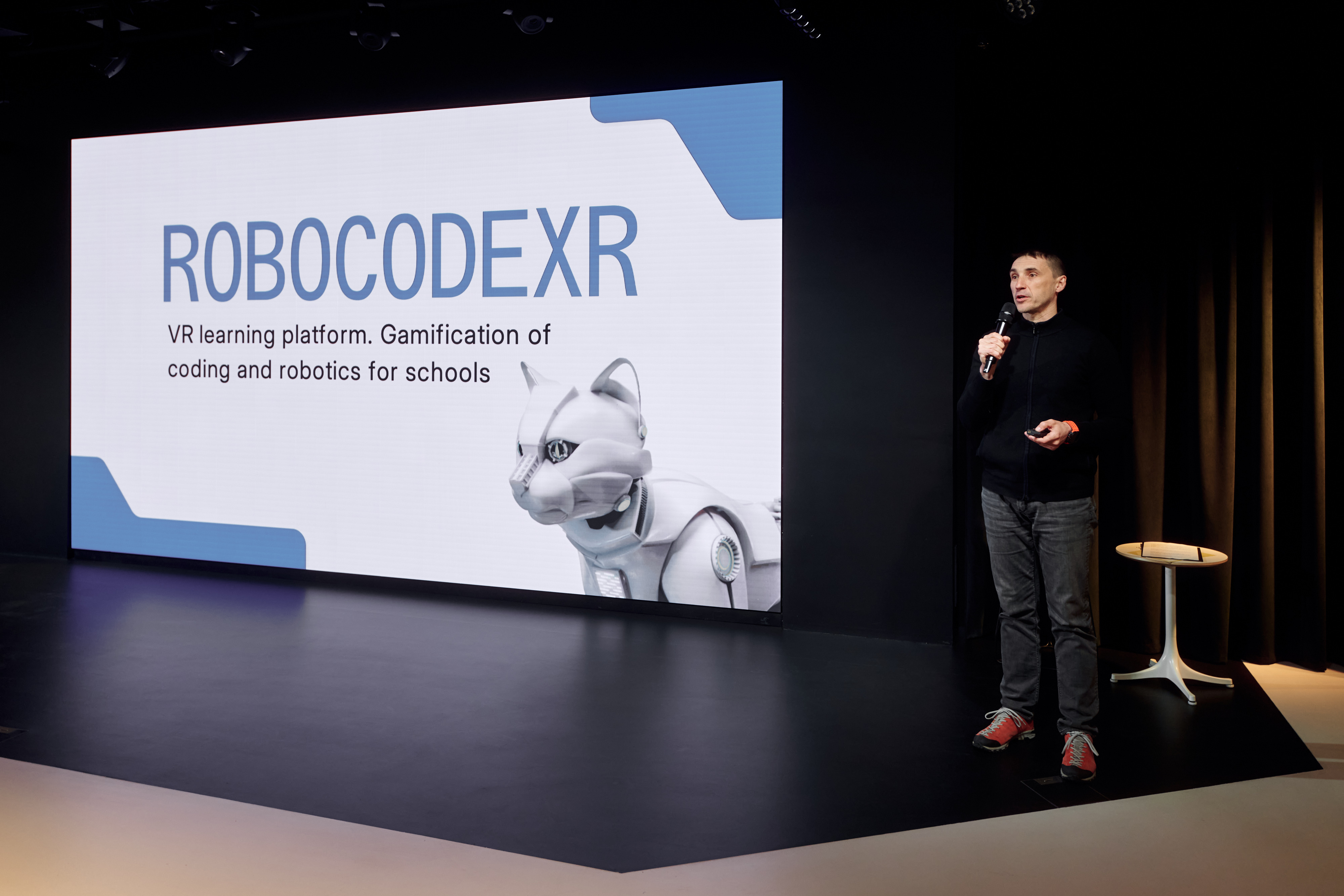
Still, he manages to finish his pitch and answer the jury’s questions. The moment brings everyone back to reality, once again reminding us of the times in which today’s startup culture and community are being built.
More about the accelerator participants
Neomi is an AI assistant for businesses that automates workflows, integrates with internal systems, and helps teams work faster through a unified chat interface. The project was pitched by CEO Dmytro Lylyk.
Intelswift is an AI platform that automates customer support and business communication through chatbots, AI agents, and workflows within a single system. The project was pitched by CEO Yulia Demchuk.
Seeklab.ai is an AI-powered e-commerce search solution that helps users find products via text, voice, or image by understanding intent and increasing sales conversion. The project was pitched by CEO Vadym Oshkalo.
SoftWay is a platform for automating and managing corporate travel and expenses, combining booking, expense control, and analytics in one tool. The project was pitched by CBDO Denys Goloborodko.
Mailerr is a platform that automates the creation and management of email infrastructure (domains, mailboxes, configurations) to ensure cold email campaigns land in the inbox rather than spam. The project was pitched by Head of Growth Yurii Momot.
Moviso is a mobile app that helps users discover, track, and choose movies and TV series together with friends through personalised recommendations and social features. The project was pitched by CEO Vitalii Pavlyk.
.jpg)
Mindship is an AI-powered mental health application that personalises breathing practices based on user data and helps reduce stress, improve focus, and restore energy quickly. The project was pitched by CMO Anna Chorna.
Vetlyx is an AI platform for the veterinary industry that connects clinics and pet owners, automates practice management, and provides access to medical data within a unified system. The project was pitched by CEO Olena Bufan.
AtriaPRM is an AI platform for clinics that automatically transforms medical reports into personalised care plans with reminders and post-visit patient communication. The project was pitched by CEO Danylo Chystiakov.
Eated is an AI application designed to build healthier eating habits by analysing food photos and providing personalised guidance without calorie tracking. The project was pitched by CRO Ray Astafichev.
Robocode XR is an online and VR platform for learning programming, robotics, and STEM subjects through interactive simulations and gamified lessons for children and students. The project was pitched by CEO Roman Bozhok.
Pravozno is an online learning platform offering courses and materials to help students prepare for mandatory state exams in Ukraine. The project was pitched by CEO Mike Ponomarenko.
SoftTrainer is an AI platform that assesses and develops employees’ soft skills and leadership capabilities through personalised training and simulations with measurable business outcomes. The project was pitched by CEO Roman Kovalenko.
Day X. Challenger Demo Day
As always, the defining moment of the programme is Demo Day. Thirteen teams made it to the final pitch stage. The stakes were high, and the goals presented were ambitious.
The winner of Demo Day received $25,000 from the accelerator’s partner UMAEF to support product development and other needs. As you already know, the prize went to Dmytro Lylyk and his startup Neomi.
“Neomi won Demo Day thanks to its capital-efficient approach to market entry, a strong technical competitive advantage, and the founding team. They demonstrated the operational transparency that investors need in order to make confident decisions at the earliest stage,” says Anton Waschuk, Director of the Innovation and Entrepreneurship Program at the Ukraine-Moldova American Enterprise Fund and one of the general partners of Challenger Accelerator.

An additional $25,000 in Amazon cloud services was awarded by the accelerator’s partner USF to three teams. These funds will support application hosting and the development of AI infrastructure.
The recipients of this award were Dmytro Lylyk and the startup Neomi, Danylo Chystiakov and the startup AtriaPRM, and Mike Ponomarenko with the startup Pravozno.
Fundraising support from partner Tinydata will be provided to Neomi and Dmytro Lylyk.
At Lviv IT Arena, which will take place in September 2026, Neomi’s Dmytro Lylyk and Mindship’s Anna Chorna will represent the accelerator.
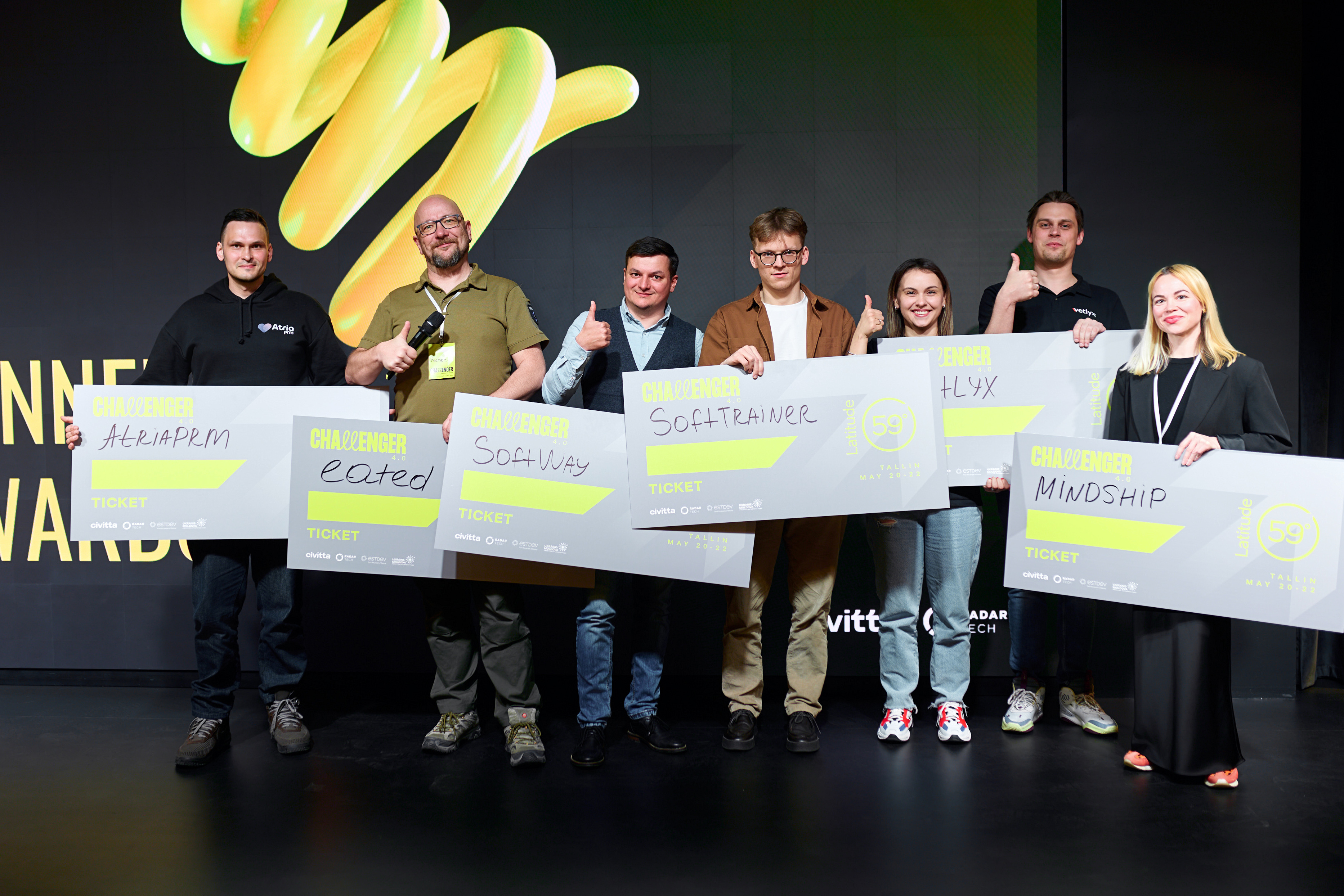
Six participants from the Challenger team will travel to Tallinn for the Latitude59 conference:
Danylo Chystiakov (AtriaPRM);
Olena Bufan (Vetlyx);
Anna Chorna (Mindship);
Denys Goloborodko (SoftWay);
Ruslan Kovalenko (SoftTrainer), who passed his ticket to the Seeklab.ai team;
Ray Astafichev (Eated).
The Estonian and Ukrainian startup ecosystems are not very different, believes Peeter Motskula, an angel investor at EstBAN and one of the jury members at Challenger Demo Day. “We have both learned from each other. We have been working together for a long time,” the investor notes.
According to Estonia’s Peeter Motskula, Neomi’s achievement of winning four awards was driven by the founder Dmytro Lylik’s strong engagement with the ecosystem.
“One thing that stood out was that he moves fast, but at the same time he is not asking for absurd investments. $25,000 right now to figure things out and run a few quick experiments. We’ll understand how it works, and then we’ll go for a million. And this very practical, down-to-earth approach made the jury say: ‘Why not?’,” says Peeter Motskula with enthusiasm.
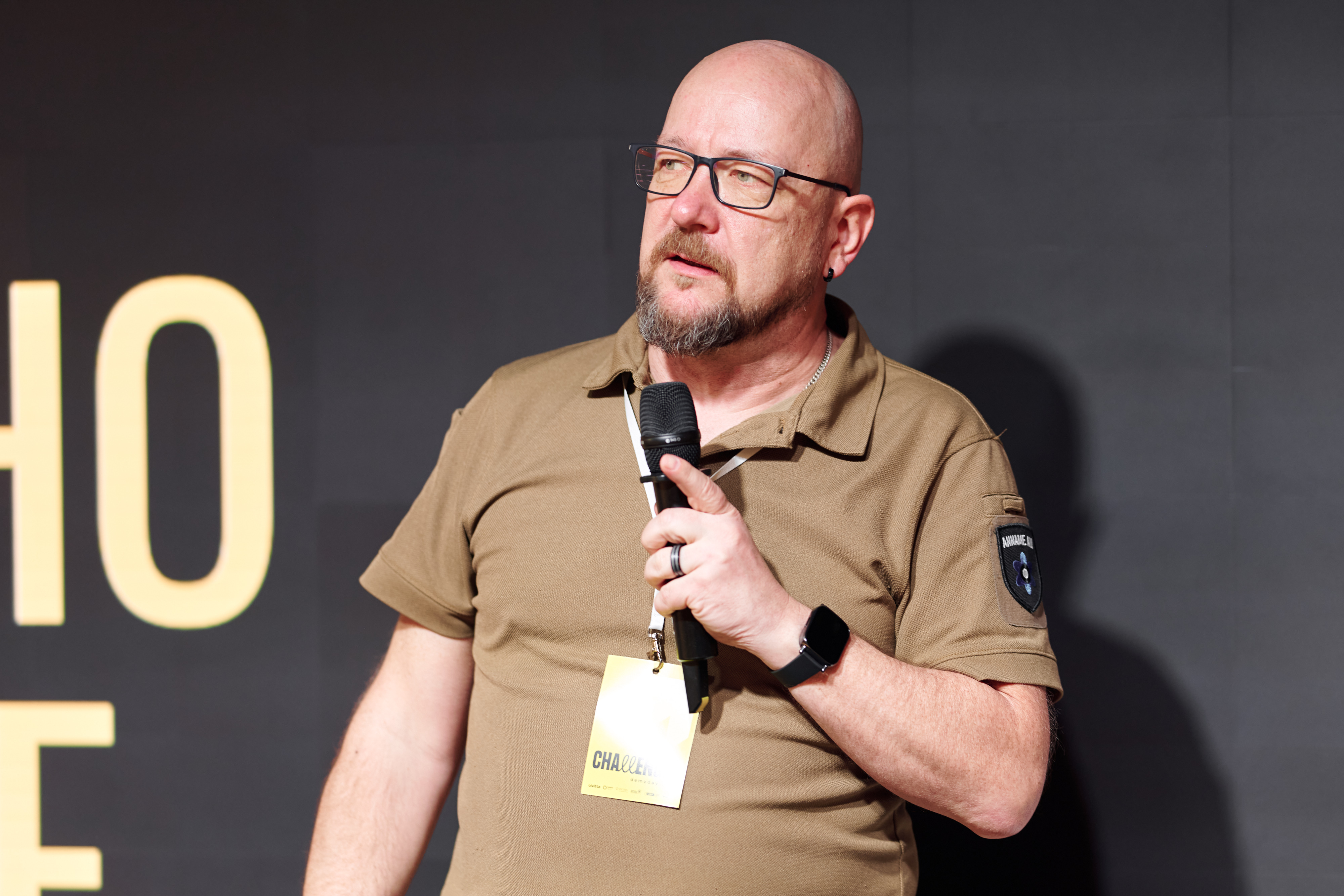
The prize money, incidentally, will be used by Dmytro Lylyk partly to attend relevant conferences. Some of them will already take place in May–June, while others are scheduled for autumn 2026. More on that later.
When selecting the winner, the jury engaged in discussions and even took noticeably longer than expected. The author had a similar intuition, given the rising tension toward the end of the pitches. The questions became sharper, and their number increased.
“We had two colleagues from Denmark and Estonia respectively, as well as colleagues from the Ukrainian ecosystem. It was interesting to observe through both local and international lenses what different people emphasised - what our international colleagues highlighted versus what we, as part of the local industry, focused on,” says Oleksandr Yatsenko from SMOK Ventures, one of the jury members of the competition.
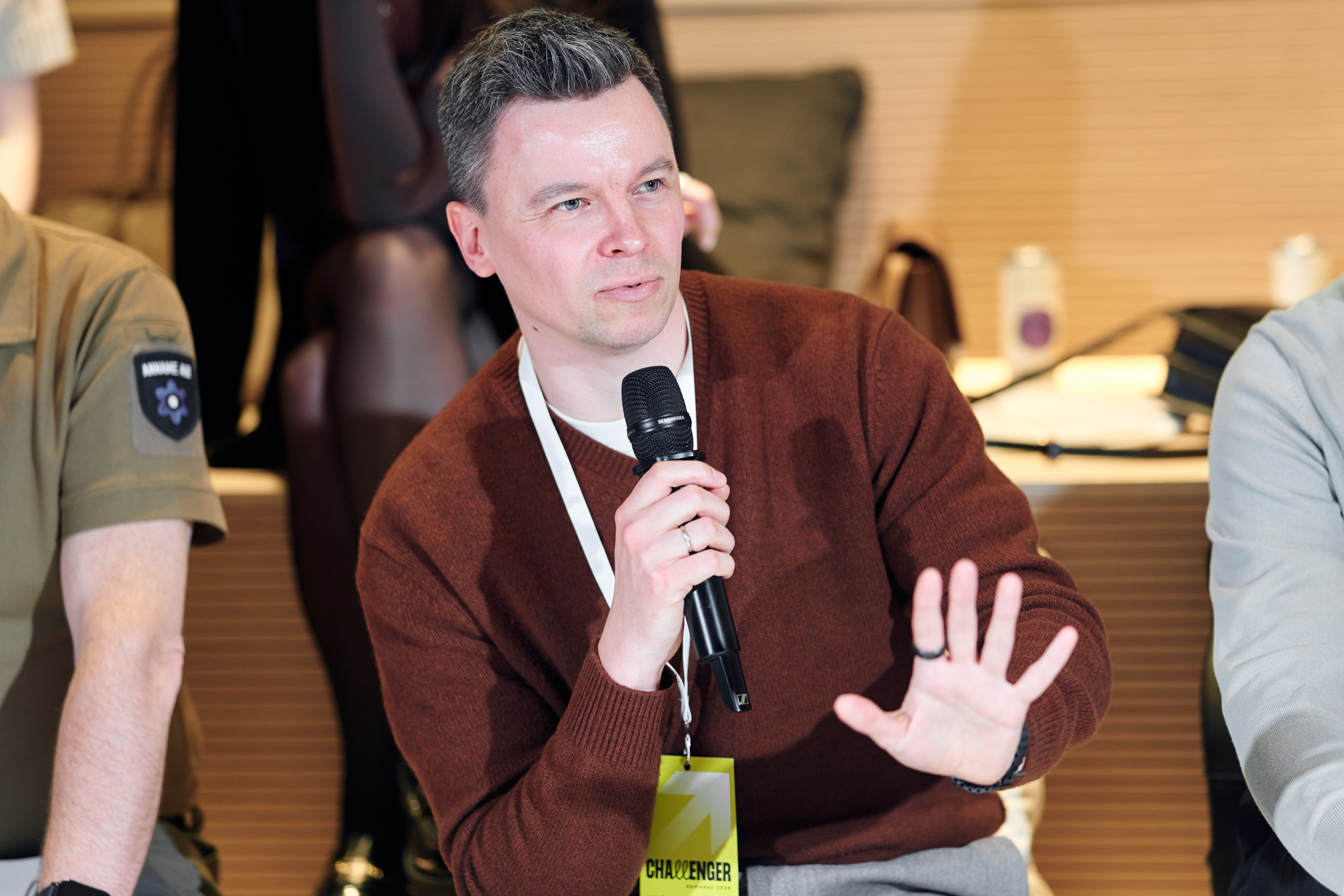
When selecting the winner, he continues, many factors can play a role, including how well the team is known and their contribution to the ecosystem, not only as entrepreneurs but also as community members. These differences in perspective were influenced, among other things, by the jury’s familiarity with the founders’ backgrounds.
“It’s not only about the pitch, slides, or traction - although those matter too. It’s more about the people. Who they are, what they are, where they’ve been, and where they are heading. When it comes to venture capital, it’s a fairly human-centric business. When choosing a team to invest in, you need to understand that you could potentially be working with them for 10 years or more,” Yatsenko continues.
What Ukrainian startups are missing today
In the corridor between the announcement of the winners, I meet Oleksandr Ulytskyi, CFO of Mate Academy and one of the programme speakers. We talk about the fact that Ukrainian startups today often lack a global perspective.
“They are very Ukraine-focused, it seems to me. Everyone presents the market they are targeting, but they are still looking only at Ukraine. This limits them significantly. They are not looking at the United States, which is a huge market where you can also operate from Ukraine,” he says.
In addition, among many AI-related ideas, there are quite a few that can easily be replicated. There is not enough strong differentiation layered on top of artificial intelligence, not enough unique value proposition. This was also reflected in the jury’s questions during the pitches.
“When I was doing finance mentoring, I also noticed that startups often lack an understanding of economics. Everyone just wants to show that the product is growing. But growth needs to be profitable, or at least have the potential to become profitable,” adds Oleksandr.
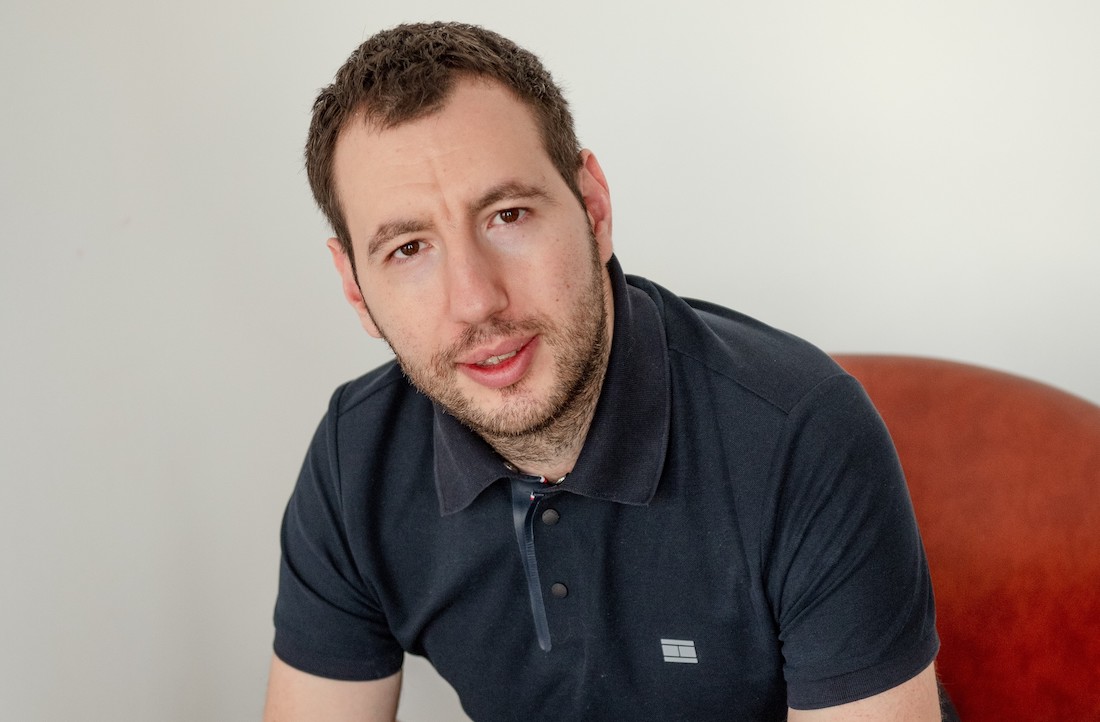
The lack of long-term strategy and vision among startups today is also highlighted by Yaroslav Yaroslavskyi, Lead Mentor at Challenger.
“Too little attention is paid to early-stage fundraising strategy: in most cases, startups don’t have answers to key questions. When, how, from whom, and through which instrument do they plan to raise funds? They usually only know how much they need. This is a consequence of not fully understanding how the venture capital market works and what investors expect, as the culture is still relatively young in Ukraine,” Yaroslav adds.
Those building startups need to understand that they require a team capable of covering all necessary expertise both now and in the future. This is strongly influenced by the cultural gap between the environment where venture investing originated and Ukrainian founders.
“We see many success stories with Ukrainian founders. But I believe that given the number of highly educated specialists in Ukraine and the level of creativity, there should be many more of these success stories,” Yaroslavskyi is convinced.
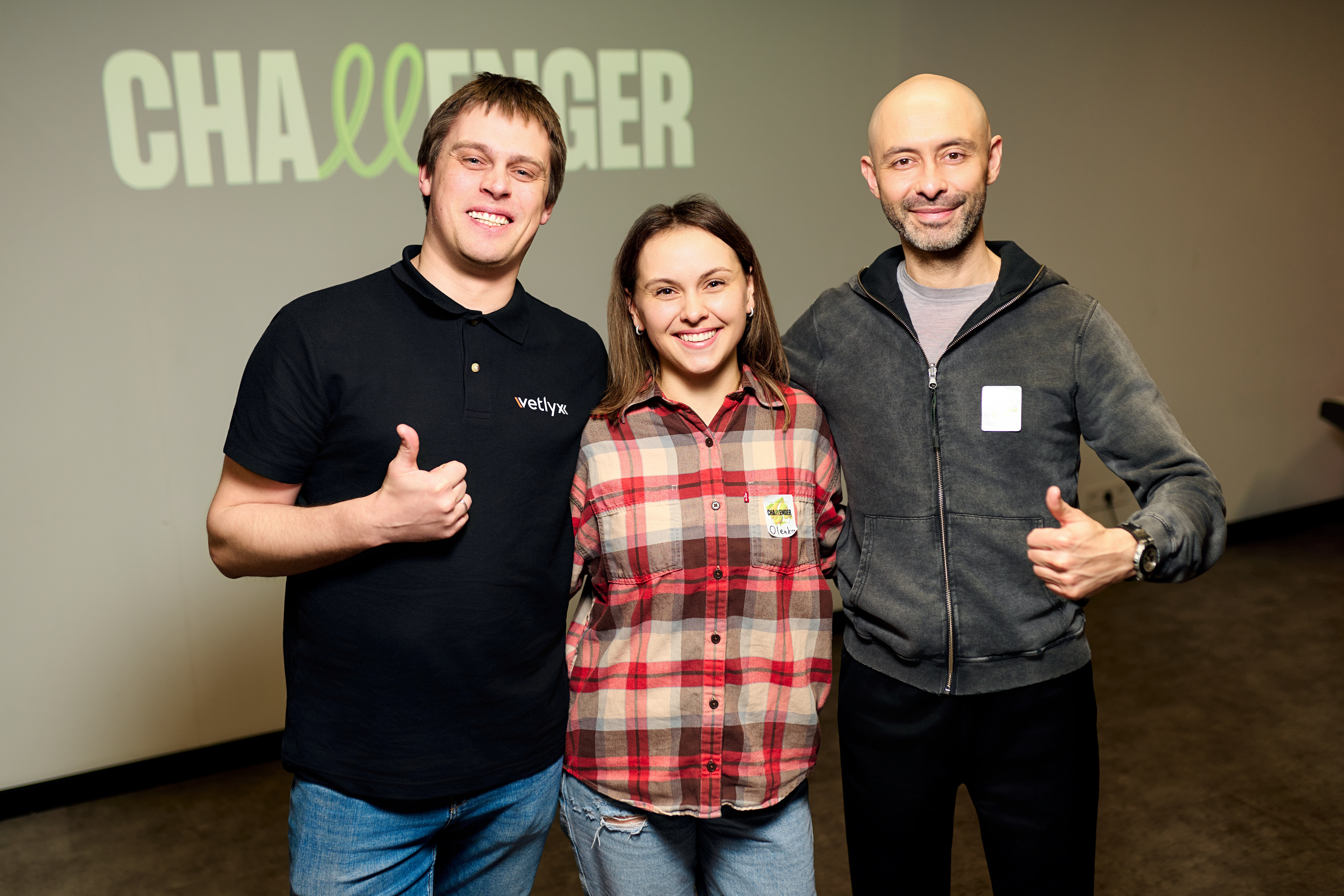
The lead mentor explains that participation in accelerator programmes opens many founders’ eyes, especially US-based accelerators, which are harder to get into than Ukrainian or European ones.
“The big issue is short-term thinking and the inability to build strategies for two, three, or even five years ahead. Everyone knows it’s necessary, but they do things just to tick a box. Yet it is precisely at the earliest stage that the foundation is laid, and that is the most important part,” Yaroslavskyi summarises.
He gives an example of a company that, at an early stage, does not think about cybersecurity, even though most startups are software-based. Later on, when investors come in, even a single cyber incident can immediately kill a deal.
“These are things you need to think about from day one, right from the moment you start your project.” The same applies to AI regulation. At a time when the European Union already has some of the most advanced AI regulations, startups cannot afford not to plan ahead.
CEO of WINSTARS.AI and another lead mentor of the Challenger accelerator, Dmytro Sofyna, also points to a lack of systematic business thinking as a key barrier to Ukrainian startups’ growth.
“There is an illusion that education and corporate experience are not important. And even after receiving initial investment, startups still fail to transform into proper business companies. Because they don’t know the basics: corporate culture, finance, legal fundamentals, people management, effective negotiations, and sales. In the long run, the lack of this knowledge reduces the chances of success,” explains Dmytro.
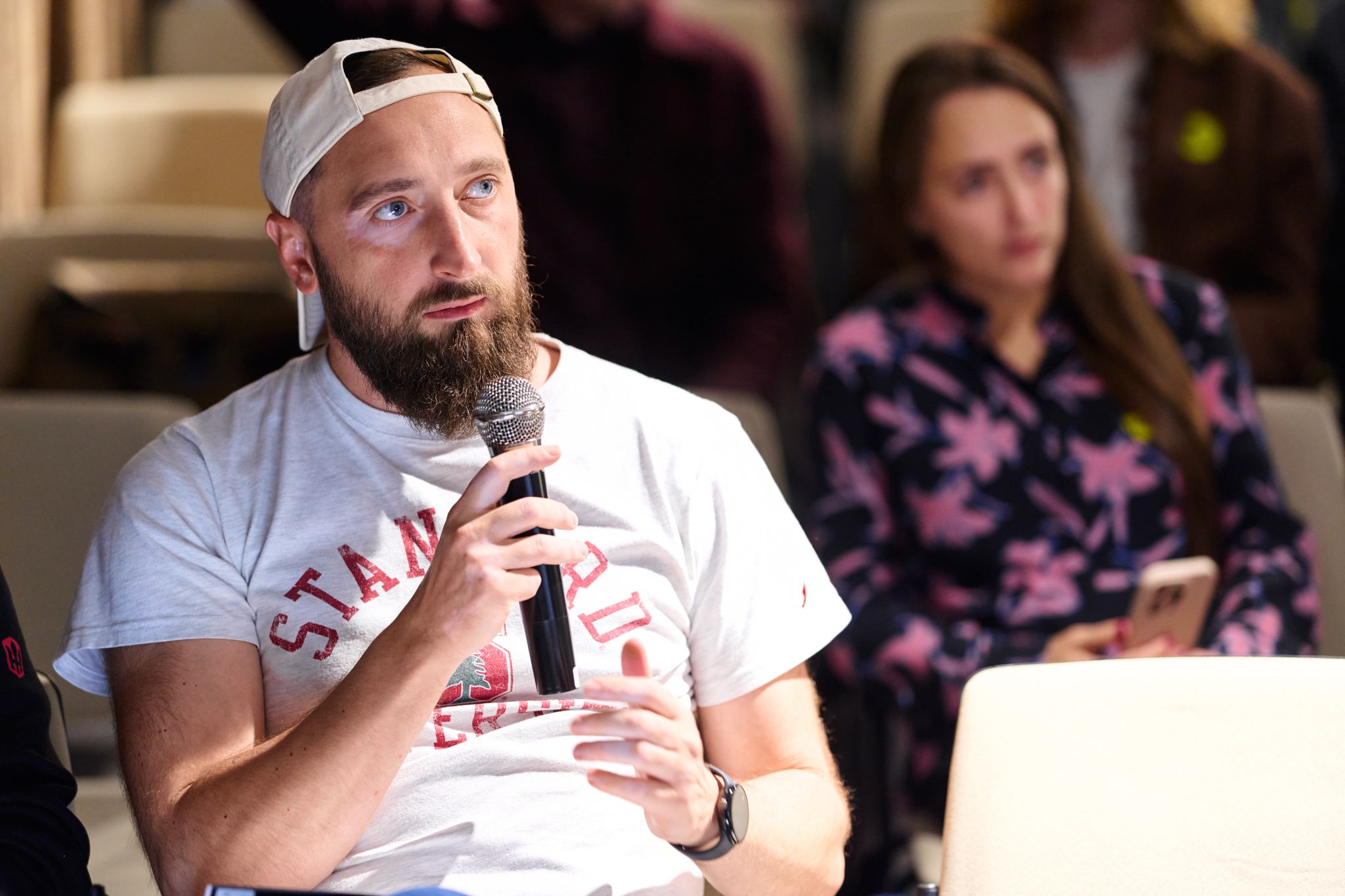
According to Sofyna, one of the key gaps in Ukrainian startups today is deep tech. There are only a few such companies, like Haiqu, for example. Ukraine still lacks rigorous science-driven projects that would be attractive to international investors even without a domestic market.
At the same time, Ukrainian startups stand out for their strong engineering talent, the ease and low cost of launching a company or business, and a strong drive to move forward despite everything.
“If our startups start truly learning and building real businesses with a focus on selling actual products, rather than imitation, then everything in Ukraine will work out. And finally: build in Ukraine, build for Ukraine, and only then scale. Or immediately establish collaboration with partners in the United States. That’s when the chances are higher,” concludes Dmytro Sofyna, Lead Mentor at Challenger Accelerator.
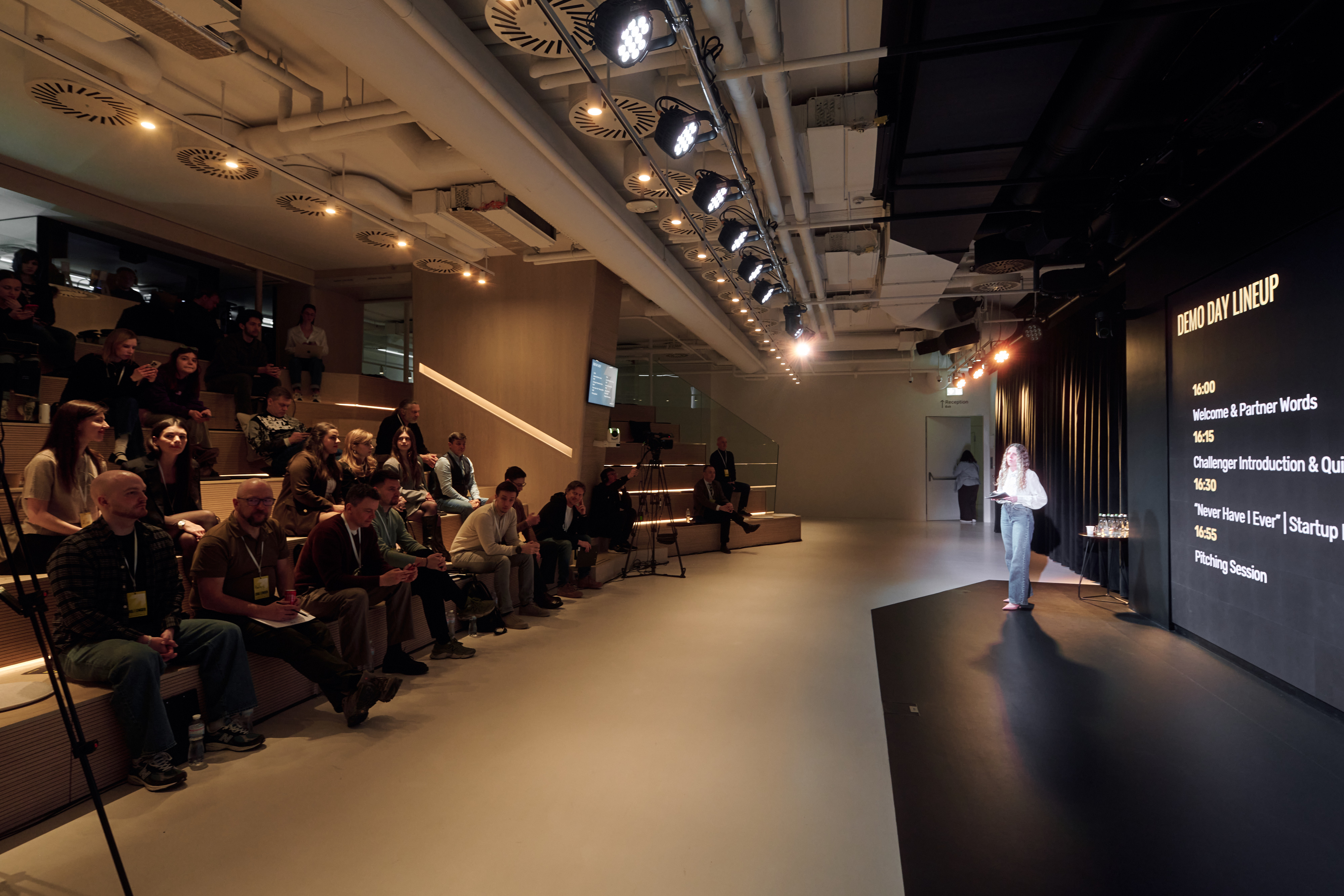
The resilience of Ukrainian founders is also highlighted by Anton Waschuk, Director of the Innovation and Entrepreneurship Program at the Ukraine-Moldova American Enterprise Fund.
“The Ukrainian tech ecosystem, under wartime conditions, has demonstrated exceptional founder resilience and depth of engineering expertise in pre-seed stage assessments that would not pass the bar for Series A investment in Toronto or San Francisco. That is why the fund engaged at the earliest viable stage of entry into a recovering economy with significant drivers of Euro-Atlantic integration and a structural surplus of talent,” Waschuk concludes.
Feedback from the Challenger 2026 winner
For Dmytro Lylyk, CEO of Neomi, this is already his second participation in the Challenger accelerator. He joined the very first cohort in 2021 with his previous product. However, during the programme, participation was paused to explore new ideas. “This is already a familiar programme for me, with familiar people and a high level of internal trust,” explains Dmytro.
“The biggest value is not even the lectures themselves, but the networking and the mentors. What makes Challenger special is that it brought together startups from very different fields. With some of them we don’t even overlap at all, so competition as such doesn’t really arise. There were startups I had heard of before. And I thought: ‘Oh, that’s cool, I’ll be on the same level as serious people," says Dmytro.
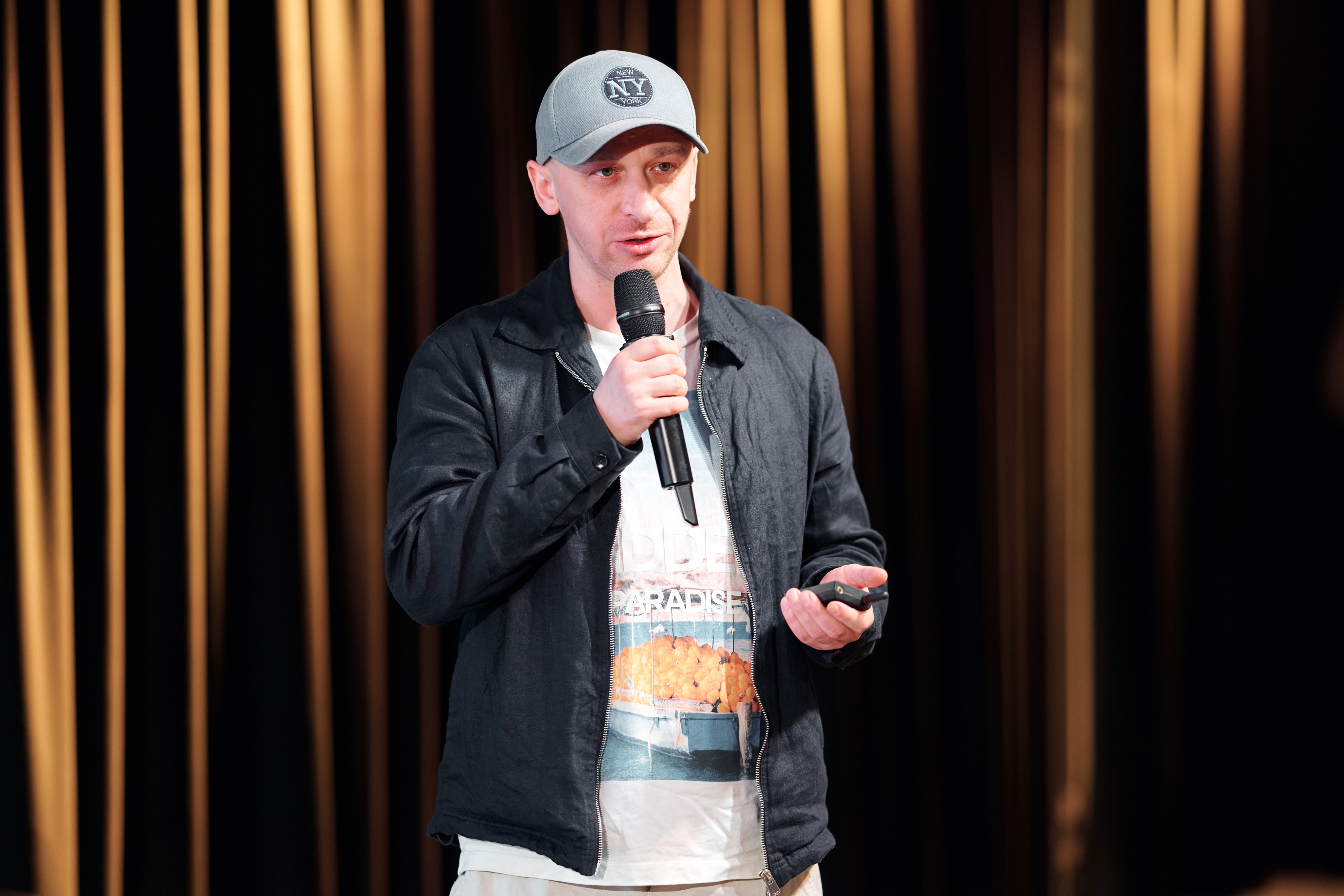
Regarding his Demo Day pitch, he says he has had better performances. His voice trembled slightly, and there was a basic level of nervousness. Dmytro felt he moved faster than necessary, as he still had eight seconds left at the end. However, given the result - four awards - it seems the message still got across.
“It was clear. So clear that I received very few questions,” the founder sums up his presentation.
Neomi’s goal is to attend niche conferences focused on Grocery, e-commerce, and similar domains. This was, in fact, the purpose of the funding requested at Demo Day.
Explaining the product, Dmytro Lylyk describes it as an assistant that shops for groceries on your behalf. Typically, a person spends around half an hour manually selecting each item they need for the week.
All of this can be delegated to Neomi. Users simply send prompts like “I want a romantic dinner,” “I want a week of Asian cuisine for a family,” or “I want snacks for a movie night.” The assistant turns these requests into a shopping list and selects the products in stores within 90 seconds.
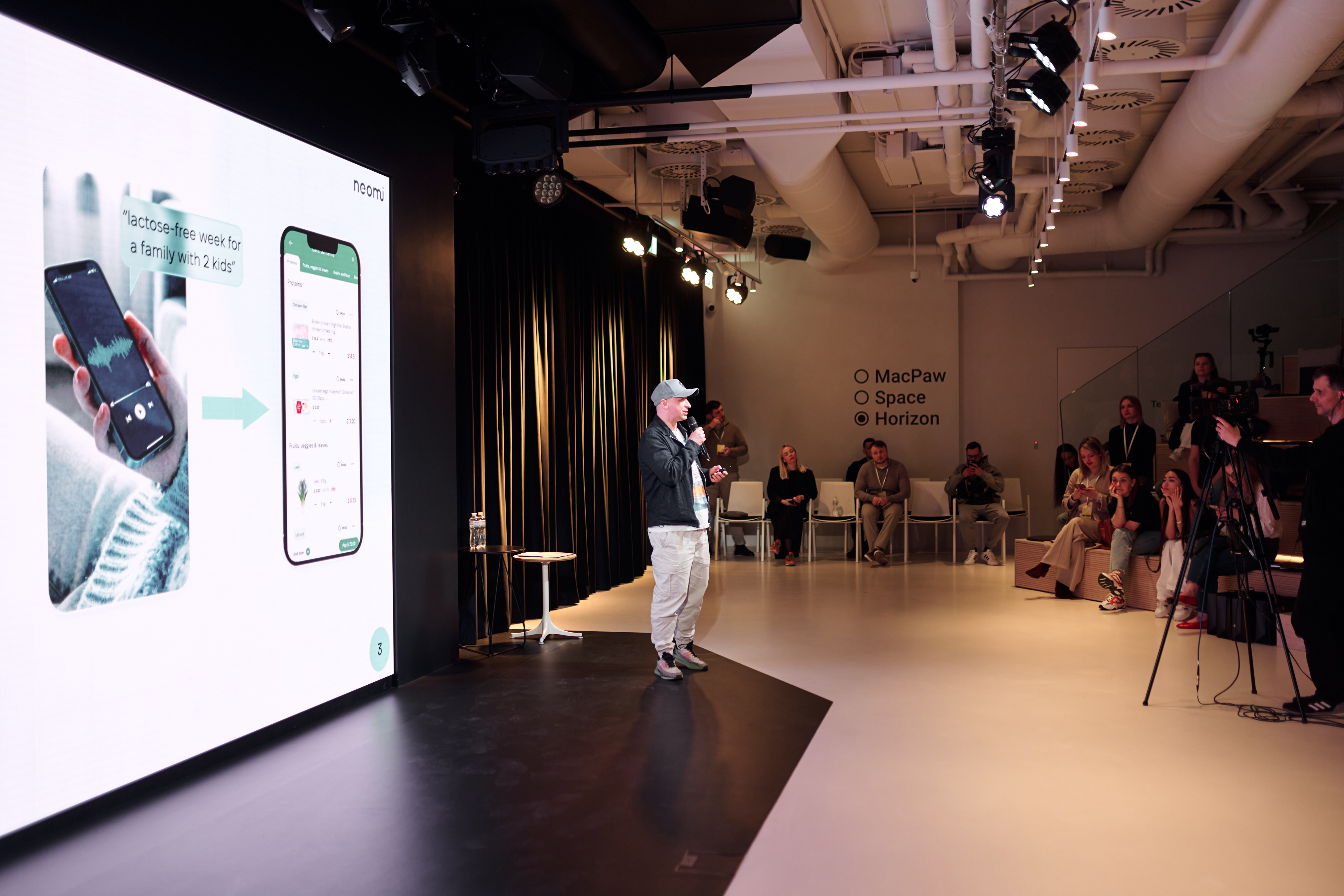
To all startups preparing for Demo Days, Dmytro advises practicing your pitch.
“The pitch deck is something that improves continuously - it is never a finished story. You also need to give yourself feedback, record yourself, listen to it, gather feedback from others, and constantly refine your pitch. Condensing the entire context of your startup into three minutes is a great mental exercise for understanding your own project, fixing weak points, and seeing how other people perceive your startup,” concludes the CEO of Neomi.
This was the fourth cohort of the Challenger Accelerator. In March, Challenger also opened applications for Challenger Sustainability - a three-month accelerator programme for early-stage Ukrainian startups working on green technologies and related fields.
After the programme ends, participants will receive further support, including connections with EU-based customers and a study visit to Sweden to participate in Tech Arena. Applications are open until June 21, 2026. More details are available via the link.
The Challenger Accelerator programme is organised in partnership with Civitta and Radar Tech, with support from ESTDEV, the Estonian Centre for International Development, and the Ukraine-Moldova American Enterprise Fund (UMAEF).
Read original material at ain.ua
